
ER Symposia
The following symposium was selected for this year’s ER Symposium (symposium where outstanding overseas researchers are invited to give presentations and contribute to the journal Ecological Research).
“Breaking down the barriers between parasitology and ecology: a user’s guide”
[Organizer]
Ryota Hasegawa (Hokkaido University), Takuya Sato (Kyoto University)
[ER Invited Speaker]
Robert Poulin (University of Otago, New Zealand)
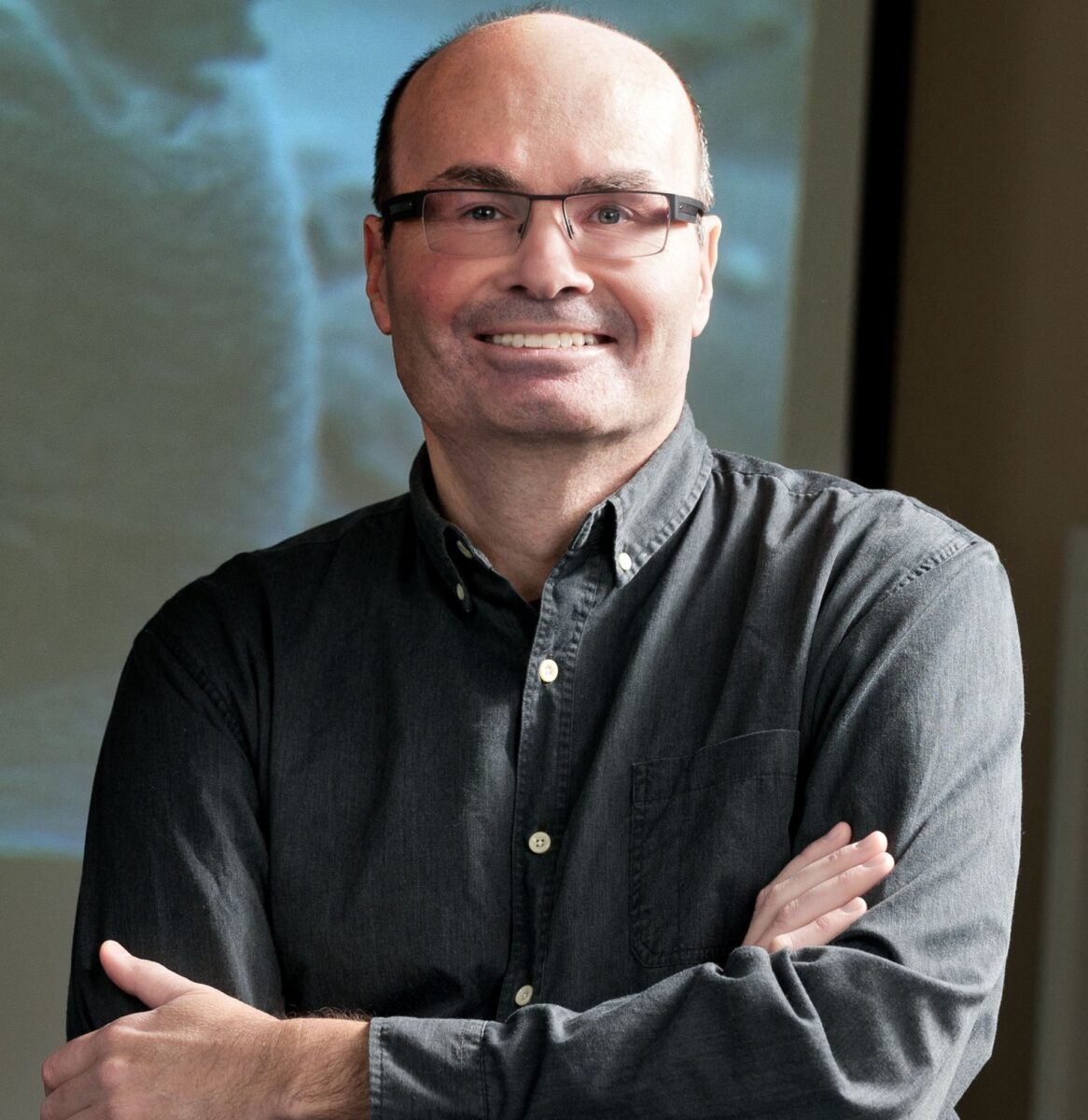
Robert Poulin is an emeritus professor in the Department of Zoology at the University of Otago. Originally from Canada, he obtained a PhD from Laval University before joining the University of Otago in 1992. He is a world-renowned authority who has led the field of parasite evolutionary biology and ecology.
Through more than 700 impactful publications and numerous books, he has continuously proposed new concepts in parasite evolution and ecology, playing a pivotal role in laying the foundations of modern parasite evolutionary ecology.
The journal Ecological Research supports the travel expenses of ER invited speakers. The invited speaker is invited to contribute a review or feature paper related to the symposium content on the journal of Ecological Research.
Open Session
The following two themes were selected for this year’s Open Sessions (symposium that involve the addition of new presentation categories).
[Ecology and Disasters]
[Convener]
Yusuke Ueno (Ishikawa Prefectural University), Jotaro Urabe (Tohoku University)
[Objectives]
Japan is one of the most disaster-prone countries in the world. Ecological research and monitoring have been conducted following major disasters such as earthquakes, tsunamis, heavy rainfall events, landslides, and volcanic eruptions across the country. However, the knowledge generated through these efforts has often accumulated within specific disaster events, regions, or research communities, with relatively few opportunities for cross-disaster and interdisciplinary exchange.
Since the Great East Japan Earthquake of 2011, growing attention has been paid to creative recovery and regional resilience. At the same time, Ecosystem-based Disaster Risk Reduction (Eco-DRR) and Nature-based Solutions (NbS), which seek to integrate ecosystem conservation and restoration with disaster risk reduction, have gained international recognition as key approaches. These concepts are particularly relevant in regions facing population decline and aging, where they can contribute to both sustainable recovery and preparedness for future disasters, while offering strong connections to ecological science.
This session, “Ecology Connecting Disasters and Society: Toward the Integration of Monitoring, Recovery, and Nature-based Solutions,” welcomes a wide range of research and practical initiatives, including post-disaster ecological monitoring, recovery planning, collaboration with local communities, Eco-DRR, Nature-based Solutions, green infrastructure, and other forms of practical implementation in society. By bringing together experiences and knowledge from disasters across Japan, including the Great East Japan Earthquake and the 2024 Noto Peninsula Earthquake and subsequent heavy rainfall disaster, we aim to re-examine the relationship between disasters and society from an ecological perspective, share lessons for building resilient communities, and foster new research networks and interdisciplinary academic exchange.
[Long-Term Ecological Research]
[Convener]
Masahiro Nakamura (Hokkaido University)
[Objectives]
Long-Term Ecological Research (LTER) is an important approach for understanding ecosystem changes and their underlying mechanisms through observations and research conducted over years to decades. It also provides essential knowledge for addressing global environmental challenges such as climate change and biodiversity loss. This session will bring together long-term monitoring data and research findings from diverse field sites representing forest, grassland, freshwater, coastal, and marine ecosystems. We will examine how LTER has contributed to the development of ecology and discuss its future potential. In addition to findings from individual sites, we will share scientific advances made possible through cross-site comparisons, collaborative research, and open data. Building on these achievements, we will explore new research opportunities that can emerge by creating connections across ecosystems, long-term datasets, field sites, research communities, and society. We will also discuss how long-term data can be combined with emerging approaches, including artificial intelligence (AI), data science, and remote sensing, and how collaboration across disciplines can open new directions for ecological research. Through this session, we aim to bring together researchers already engaged in LTER, early-career researchers, students, and researchers from other disciplines to explore the potential of long-term data and field sites and to build new research networks and collaborations together.